
10 hr
Sinharaja Rainforest Trek with Village Lunch from Galle
Explore Sri Lanka's UNESCO rainforest with a local guide, traditional lunch, and private transport
Reserve
Hand-picked by our editors — only the best 5 experiences from 18 reviewed.
Verified partners for every tour, free cancellation where available, and instant confirmation on every booking.
10 hr
Explore Sri Lanka's UNESCO rainforest with a local guide, traditional lunch, and private transport
Reserve
9 hr
Full-day guided trek through Sri Lanka's pristine UNESCO rainforest with waterfall swim and lunch
Reserve
6 hr
Venture into Sri Lanka's UNESCO-listed jungle to track endemic wildlife on a private guided expedition
ReservePrices from verified partners. Availability updates in real time at checkout. Free cancellation policies apply where shown.
The landmarks, rooms, and views travelers on this tour remember — all visible on a single visit.
The main access point where you meet your mandatory guide to begin your journey
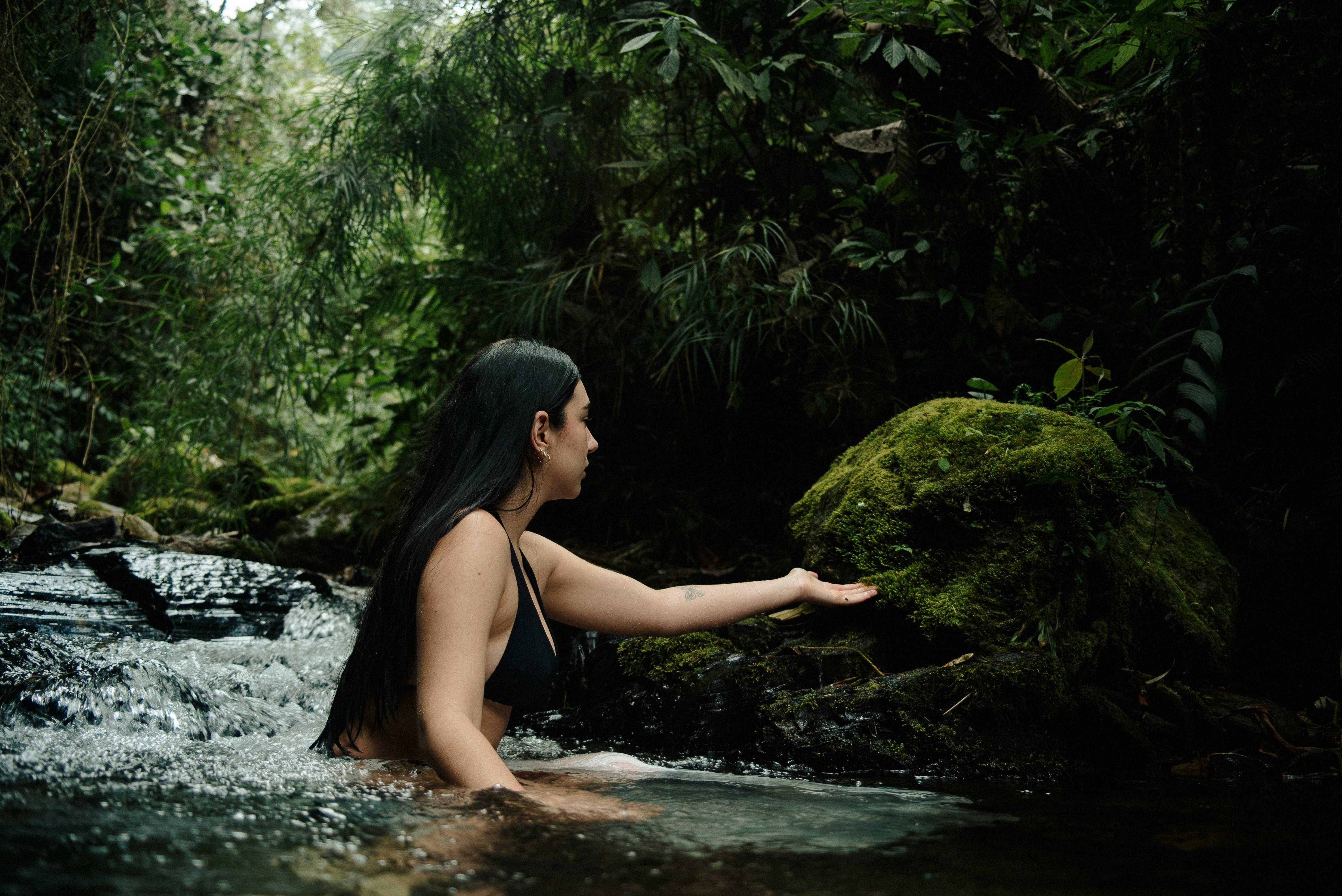
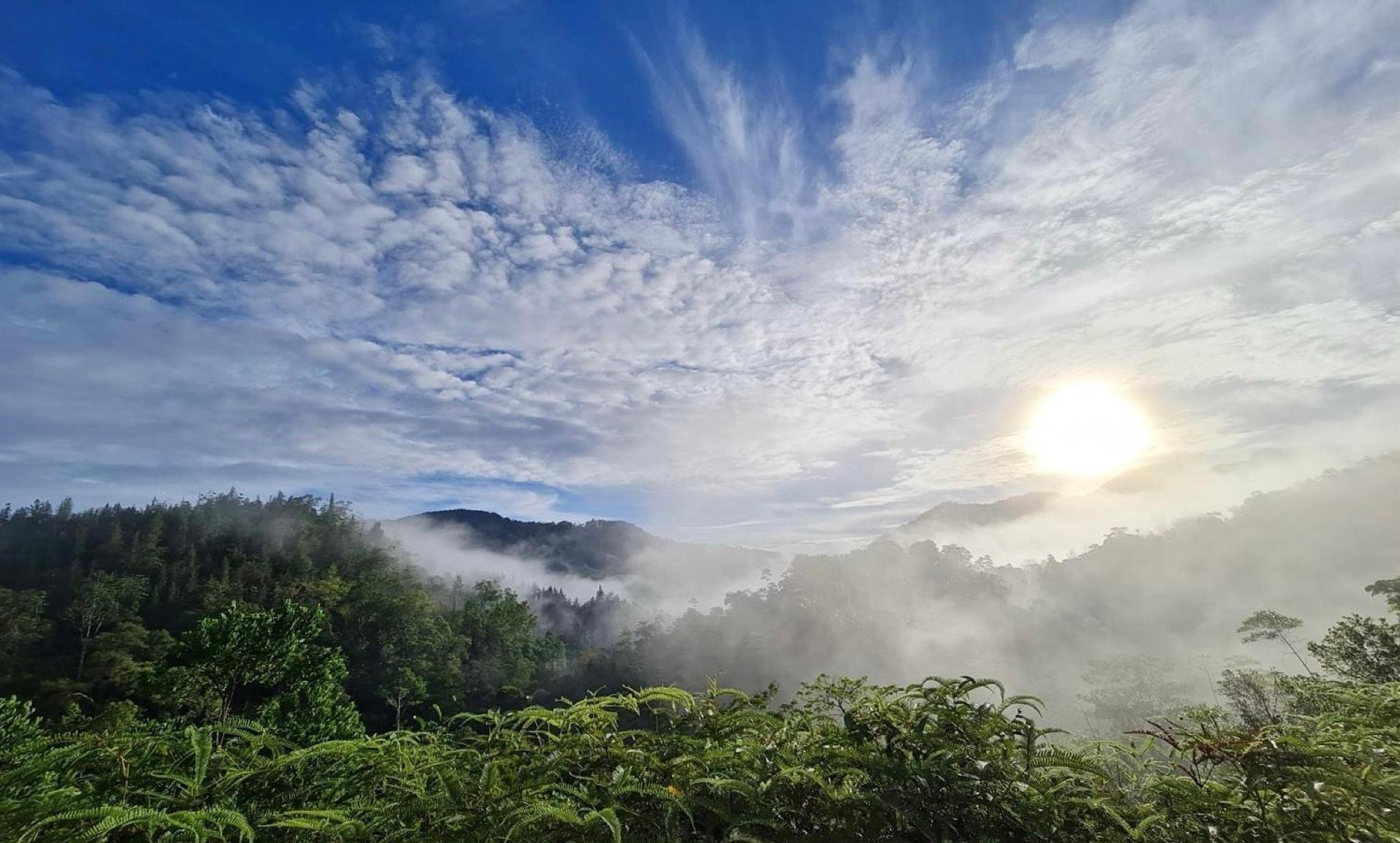
A trail system spanning 8,864 hectares of primary tropical evergreen forest
Areas where you can spot rare species like the Sri Lanka Blue Magpie
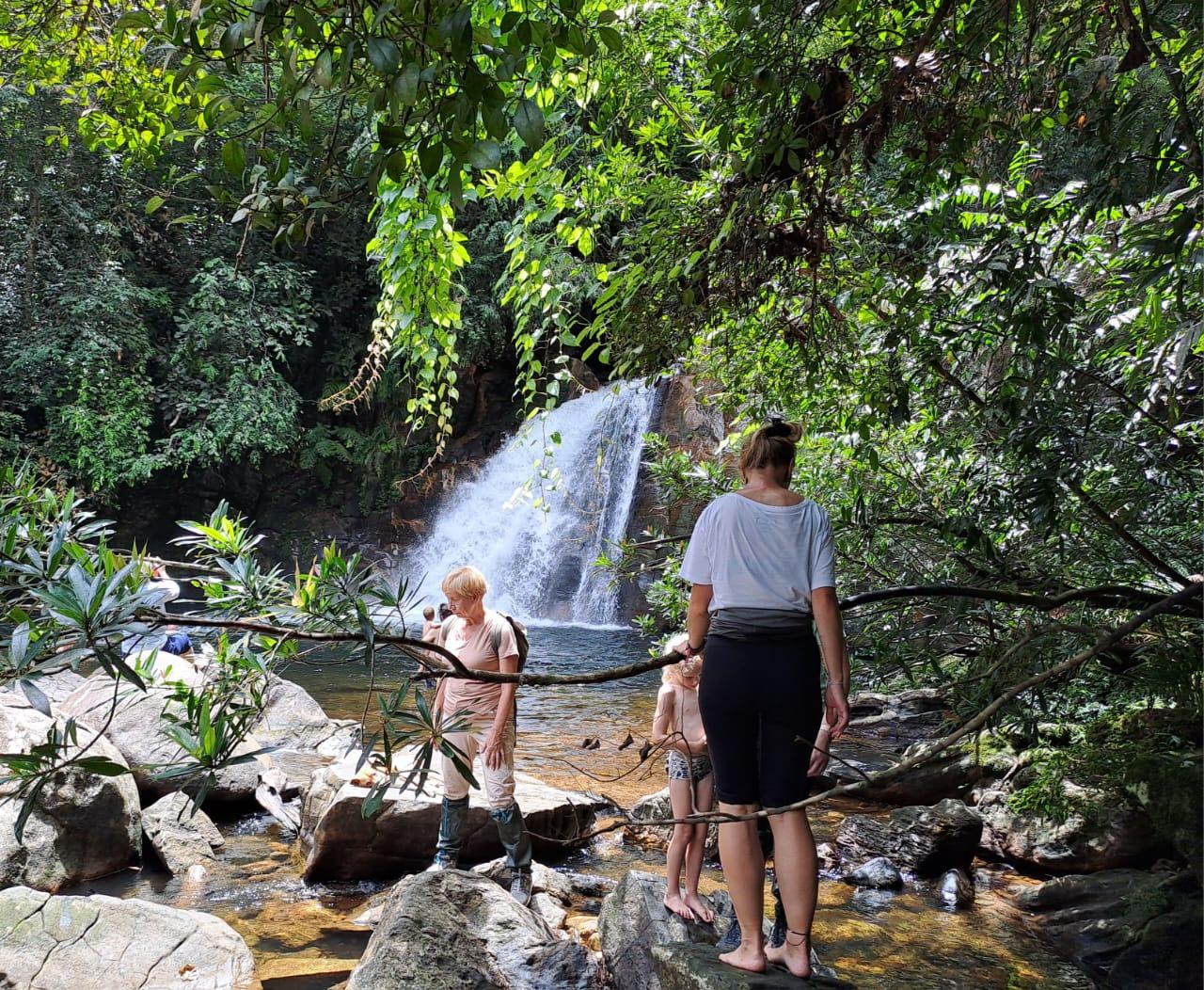
Remote cascades that offer a scenic backdrop for nature photography
Ancient botanical specimens that thrive in the humid rainforest microclimate
They complement each other; most visitors who do both call the Udawalawe jeep safari the more accessible option for wildlife viewing, while the sinharaja forest tour from galle offers a deeper, more immersive trekking experience.
| Feature | Top pick Sinharaja Forest | Udawalawe National Park |
|---|---|---|
Primary Focus |
Rainforest trekking and biodiversity | Savanna wildlife safari |
Terrain |
Dense tropical forest and canopy | Open grasslands and scrubland |
Physical Effort |
High; active walking required | Low; seated vehicle tour |
Typical Wildlife |
Endemic birds and amphibians | Asian elephants and water buffalo |
Key Animal Sighting |
Purple-faced langur | Wild Asian elephant |
Travel Time from Galle |
3–4 hours | 2.5–3.5 hours |
| See tickets → |
Verdict: Choose the Sinharaja forest tour from galle tours if you prefer hiking and endemic species, or select Udawalawe for classic megafauna spotting via sinharaja forest tour from galle tickets.
Choose your ticket, select your date, and reserve in under two minutes. Secure checkout handled by our verified partner.
Instant confirmation by email, with a mobile voucher you can save offline. No printing, no queuing at a collection desk.
Arrive at the entrance, show your voucher on your phone, and walk in. Most tickets include priority or skip-the-line access.
Practical details for your visit straight from our verified partners — hours, access, rules, and how to get there.
Galle, Sri Lanka
Pick-up for sinharaja forest tour from galle tours.
The most reliable way to complete a sinharaja forest tour from galle tour is via private vehicle or pre-booked transport.
Wear long trousers and breathable, moisture-wicking shirts to protect against leeches and brush. Sturdy, closed-toe hiking shoes are essential for the Sinharaja Forest Reserve terrain.
Travel light with a small daypack for a sinharaja forest tour from galle. Avoid bringing valuables, as there are no secure storage facilities on-site.
Photography is permitted throughout the trails, though using a flash can disturb the wildlife. Ensure you have waterproof housing for cameras during your sinharaja forest tour from galle.
Trails are unpaved and involve significant inclines and uneven surfaces. Visitors on a sinharaja forest tour from galle should have a moderate level of physical fitness.
Mobile reception is intermittent or non-existent in the dense interior of the rainforest. Use phones primarily for offline navigation or photography during your sinharaja forest tour from galle.
The reserve is better suited for older children and teenagers who can manage extended walking. Always keep children close to the mandatory guide during the sinharaja forest tour from galle.
No commercial food outlets exist inside the reserve. Pack sufficient water and snacks to sustain your sinharaja forest tour from galle.
Pets are strictly prohibited to protect the native biodiversity of the UNESCO World Heritage site.
A mandatory guide is required for entry to the reserve, which is included in your sinharaja forest tour from galle bookings. Respect the local wildlife by maintaining a quiet presence.
Galle, Sri Lanka
Pick-up for sinharaja forest tour from galle tours.
Get directionsBest time to go, insider tips, nearby landmarks, and the cancellation fine print — flip through to skim what matters to you.
How crowds, weather, and events shift across the year.
Drier conditions make trekking easier for a sinharaja forest tour from galle.
Small details that turn a good visit into a great one.
Wear specialized leech socks pulled over your trousers. Apply repellent frequently to your footwear during a sinharaja forest tour from galle.
Non-bookable sights within a short walk — free to visit, easy to pair.
An alternative lowland forest site located north of Galle.
Flexible, no hidden fees.
Full refunds are typically available for cancellations made at least 24 hours in advance. The 2,700 LKR conservation and mandatory guide fee per person is subject to park authority regulations.
Hand-picked options within walking distance — pick a district for vibe, or a specific hotel for convenience.
Basic eco-lodges near the reserve entrance.
Sinharaja — the island's lion king — holds 60 percent of Sri Lanka's endemic tree species inside 11,187 hectares of wet evergreen forest, the country's last viable tract of primary lowland rainforest. Designated a UNESCO World Heritage Site in 1988 and a biosphere reserve the same year, the forest survived colonial timber extraction that cleared most of the island's southwest wet zone by the mid-twentieth century. British foresters attempted selective mahogany and halmilla logging in the 1840s, but the terrain's steep ridges and perennial leeches defeated large-scale mechanization, leaving Sinharaja largely intact when independence arrived in 1948. Today the reserve shelters 147 bird species — 33 of them endemic — and 50 of Sri Lanka's 53 indigenous mammal species, including the purple-faced langur and endemic fishing cat. The canopy sustains a vertical ecosystem: dipterocarp trees tower 45 meters, their interlocking crowns shading an understory of tree ferns, rattans, and wild cardamom. Naturalists working the Mederipitiya access trail, the reserve's primary eastern entry, document 830 endemic plant species and 16 amphibian species found nowhere else on the planet. Mixed-species foraging flocks — a phenomenon unique to Sinharaja — move through the mid-canopy in waves, crimson-backed flamebacks and orange-billed babblers trailing behind Sri Lankan blue magpies that serve as sentinels. The 2,700-rupee conservation levy enacted in 2019 funds ranger patrols and anti-poaching units, mandatory since poaching syndicates target slow lorises and endemic reptiles for the pet trade. The levy includes a compulsory naturalist guide, a policy enforced after unsupervised tourists trampled rare orchid beds near Kudawa in 2016. Guides follow fixed trails to limit soil compaction: the Martin's Lodge trail descends through bamboo thickets to Kekuna Falls, while the longer Sinhagala route climbs 600 meters to a ridgeline vantage above the Gin Ganga watershed. Early-morning treks departing Galle exploit the 06:30 gate opening, when green-billed coucals call from the understory and endemic flying squirrels glide back to roost before daylight. A Sinharaja forest tour from Galle typically requires a two-hour drive along the Deniyaya road, skirting tea estates and crossing the Gin Ganga at Neluwa before the final ascent to Mederipitiya. Operators bundle village lunches — red rice, jackfruit curry, pol sambol — at homesteads adjacent to the reserve boundary, leveraging partnerships that direct tourism revenue to buffer-zone communities. The rainforest receives 3,800 millimeters of annual rainfall, heaviest during the southwest monsoon from May through September, when leeches proliferate and trails turn to red clay slicks. October through March offers drier footing, though humidity remains above 80 percent year-round, the air thick with the scent of decaying leaf litter and wild ginger.
"The canopy sustains a vertical ecosystem: dipterocarp trees tower 45 meters, their interlocking crowns shading an understory of tree ferns, rattans, and wild cardamom."
A step-by-step walkthrough of the visit — what you'll see, how long each stage takes, and the details that matter.
You leave Galle Fort at dawn, the coast road dissolving into tea country as your guide narrows the route toward Deniyaya. Two hours inland, the landscape shifts — plantation rows give way to unbroken green canopy, and humidity climbs as you reach Mederipitiya at 06:30. The ranger station issues your conservation pass, and your naturalist leads you through the entrance gate onto packed-earth trail, flanked immediately by towering dipterocarp buttresses and low-slung rattan. Within minutes, a mixed-species flock descends: orange-billed babblers chatter overhead, trailed by crimson-backed flamebacks drilling bark for grubs. Your guide motions toward a purple-faced langur frozen mid-leap between branches, then crouches to point out a hump-nosed pit viper coiled on a moss-draped log. The trail slopes downward through tree ferns taller than you, the air so saturated it beads on your forearms. An hour in, you pause at a stream crossing where fresh elephant prints indent the bank — Asian elephants still move through the reserve's northern corridor. Mid-morning, you return to the trailhead as heat breaks through the canopy, and drive 20 minutes to a village home for red rice and jackfruit curry served on banana leaf, the rainforest visible through open shutters.
The entrance fee is 2,700 LKR per person, which covers the conservation and mandatory guide fee.
The reserve is open daily from 06:30–18:00.
For the best experience, arrive between 06:30–09:00 to catch peak bird activity.
Yes, a mandatory guide is required for all visitors to the Sinharaja Forest Reserve.
You should carry your own supplies as there are no food outlets inside.
It is better suited for older children capable of long walks in a rainforest environment.
Wear long trousers, a long-sleeved shirt, and sturdy, closed-toe hiking boots.
The drive takes approximately 3 hours depending on the chosen route from Galle.
It is recommended to secure your sinharaja forest tour from galle tickets in advance through a local operator.
The tour continues as rain is a natural part of the rainforest, though paths may become slippery.