
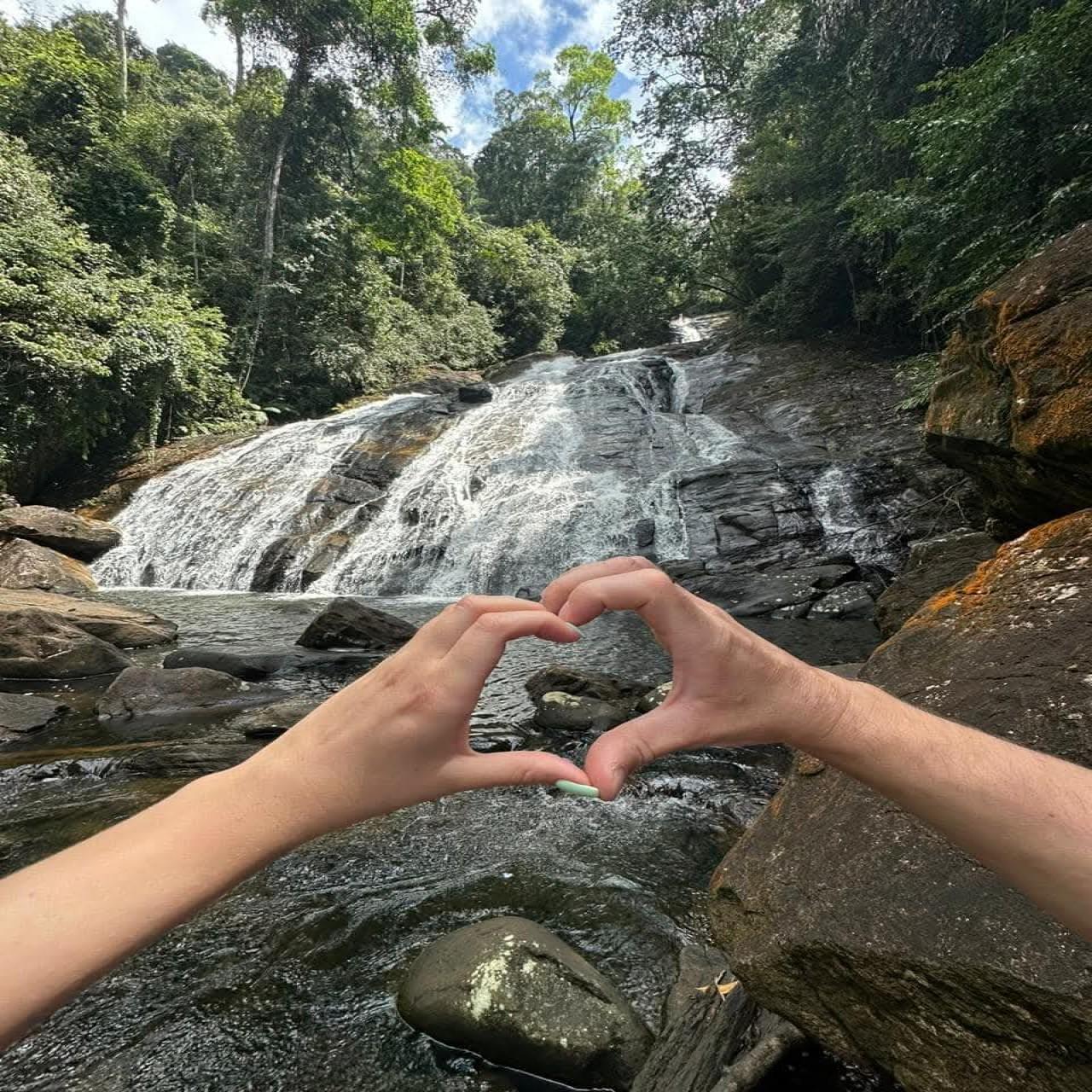
3 hr
Sinharaja Rainforest Guided Walk
Explore Sri Lanka's last pristine tropical rainforest with an expert guide on this UNESCO heritage trek
Reserve
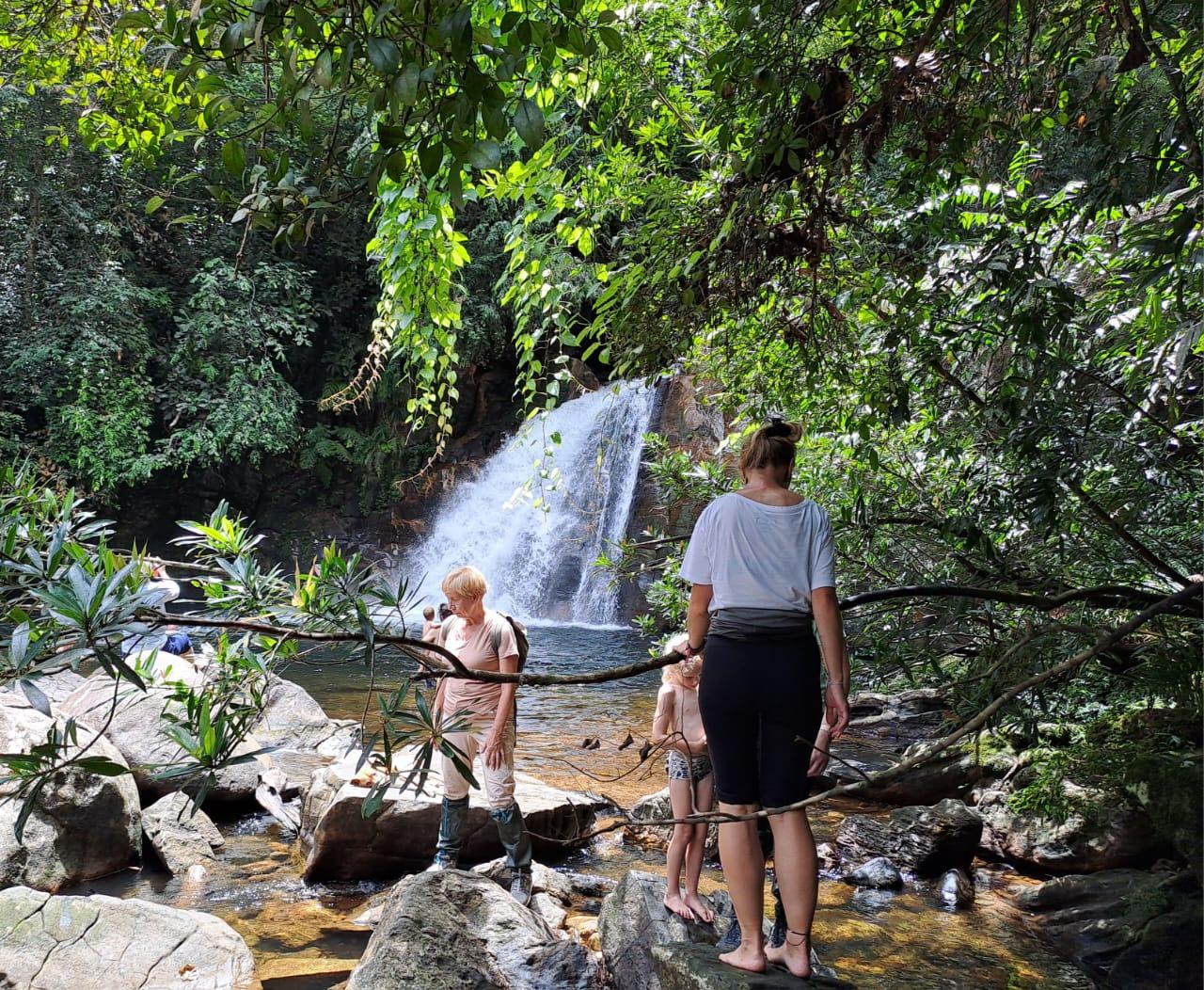
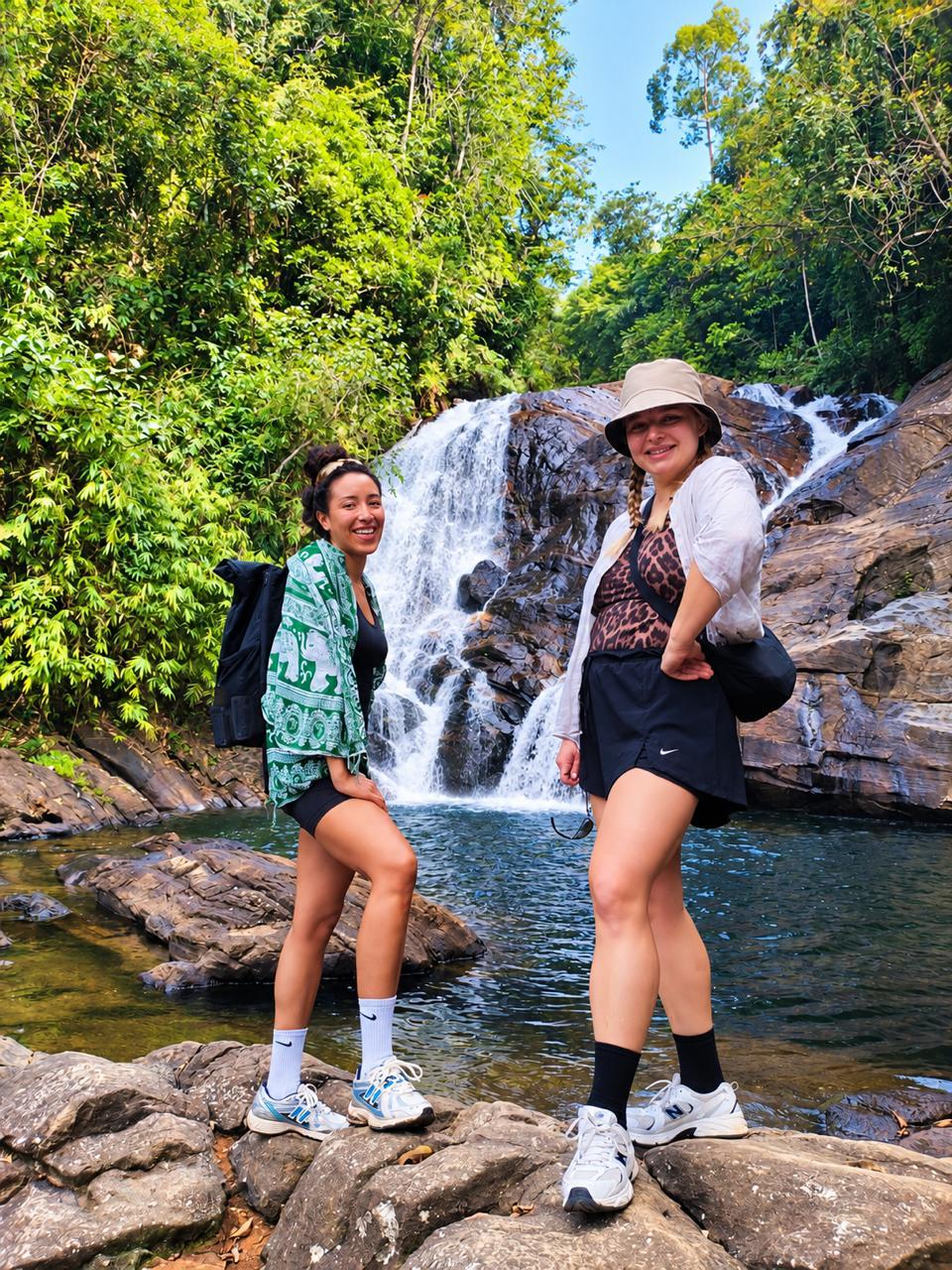
Hand-picked by our editors — only the best 5 experiences from 40 reviewed.
Verified partners for every tour, free cancellation where available, and instant confirmation on every booking.
3 hr
Explore Sri Lanka's last pristine tropical rainforest with an expert guide on this UNESCO heritage trek
Reserve
9 hr
Full-day guided trek through UNESCO-protected virgin rainforest with wildlife tracking and waterfall swim
Reserve
3 hr
Discover six cascading waterfalls and swim in pristine natural pools on a guided trek through ancient rainforest
ReservePrices from verified partners. Availability updates in real time at checkout. Free cancellation policies apply where shown.
The landmarks, rooms, and views travelers on this tour remember — all visible on a single visit.
This challenging summit offers a rewarding panoramic view across the canopy after a hike through dense primary forest.
Mulawella Peak
Gin Ganga
Koskulana Ganga
They complement each other; visitors seeking dense, endemic-rich rainforest exploration prefer the sinharaja forest day trip, while those prioritizing large mammal sightings find Udawalawe National Park more rewarding.
| Feature | Top pick Sinharaja Forest | Udawalawe NP |
|---|---|---|
Primary Wildlife |
Birds and reptiles | Asian elephants |
Terrain Type |
Dense tropical rainforest | Open savanna grasslands |
Hiking Intensity |
Moderate walking required | Vehicle-based safari only |
Wildlife Visibility |
Low due to canopy | High in open plains |
Endemic Species Focus |
High biodiversity density | General wildlife viewing |
| See tickets → |
Verdict: Choose a sinharaja forest day trip tours experience for deep jungle trekking, or select Udawalawe to observe large herds in their natural habitat through sinharaja forest day trip tickets alternatives.
Choose your ticket, select your date, and reserve in under two minutes. Secure checkout handled by our verified partner.
Instant confirmation by email, with a mobile voucher you can save offline. No printing, no queuing at a collection desk.
Arrive at the entrance, show your voucher on your phone, and walk in. Most tickets include priority or skip-the-line access.
Practical details for your visit straight from our verified partners — hours, access, rules, and how to get there.
Wear long trousers and breathable, moisture-wicking shirts to protect against leeches and insects. Sturdy, closed-toe walking shoes with good grip are essential for the humid forest trails.
Keep all belongings in a waterproof daypack to protect them from sudden tropical downpours. Note that there are no storage lockers at the forest entrance.
Bring a weather-sealed camera if possible to protect against high humidity. Macro lenses are highly recommended for the diverse insects and small reptiles encountered during your sinharaja forest day trip.
Trails are natural, uneven, and often slippery, making them unsuitable for wheelchairs or strollers. A sinharaja forest day trip requires a moderate level of physical fitness.
The forest is educational for older children interested in biology and nature. Ensure children are comfortable with long walks and potential exposure to leeches.
Carry sufficient water and snacks, as there are no food vendors inside the reserve. Leave no trace and ensure all waste is packed out during your sinharaja forest day trip.
Best time to go, insider tips, nearby landmarks, and the cancellation fine print — flip through to skim what matters to you.
Flexible, no hidden fees.
Cancellation policies for a sinharaja forest day trip depend on the specific tour operator. Most bookings include the mandatory 2,700 LKR conservation fee per person which is generally non-refundable.
Selective logging trucks reached Sinharaja's interior in 1971; by 1977 public protest had shut the sawmills down, and the haul roads cut for timber became the footpaths a Sinharaja forest day trip follows today. The reserve covers roughly 11,187 hectares of ridge and valley in the island's southwest wet zone, bounded by the Gin and Kalu river basins. UNESCO named it a Biosphere Reserve in 1978 and inscribed it as a World Heritage Site in 1988. The name translates as lion kingdom; in Sinhala the forest is still called Sinharaja Vanaantaraya. Lowland rainforest once ran unbroken across this quarter of Sri Lanka. Sinharaja is what remains: the largest viable block of primary wet-zone forest left on the island, and the most studied of Sri Lanka's rainforest landmarks. Dipterocarps dominate the canopy, with Hora trees rising past 40 metres and buttress roots spreading wider than a doorway. More than sixty percent of the tree species are endemic, and many occur in densities of fewer than ten mature individuals per hectare. Rainfall runs between 3,000 and 6,000 millimetres a year, so the leaf litter never fully dries and the mist along the Sinhagala ridge seldom lifts before mid-morning. Ornithologists have tracked the forest's mixed-species feeding flocks continuously since 1981, one of the longest unbroken studies of its kind anywhere. A single flock can hold forty birds of a dozen species moving as one unit, with the Sri Lanka blue magpie and the orange-billed babbler at its core. Nearly all of the island's endemic birds occur here — red-faced malkoha, green-billed coucal, Sri Lanka spurfowl, ashy-headed laughingthrush. Guided sinharaja forest day trip tours follow the same transects the researchers use, from the Kudawa gate on the northwest boundary toward Sinhagala peak at 742 metres. The reserve matters today for reasons that extend past its species lists. It works as a watershed for the southwest, feeding tributaries that irrigate paddy and tea land far downstream. Villages at Kudawa, Pitadeniya and Deniyaya supply the trackers and gate staff, and the mandatory guide fee carried inside the 2,700 LKR conservation charge pays those wages directly. Purple-faced langurs hold the mid-canopy; endemic agamid lizards and the Sri Lanka frogmouth keep to the understorey; torrent-breeding frogs occupy the streambeds. A sinharaja forest day trip tour amounts, in the end, to a walk through a working laboratory — a remnant measured, catalogued, and still yielding records that did not exist a decade ago.
"Sinharaja is what remains: the largest viable block of primary wet-zone forest left on the island."
A step-by-step walkthrough of the visit — what you'll see, how long each stage takes, and the details that matter.
You reach the gate while the mist still sits in the valley. The barrier lifts at 06:30 and a tracker is assigned to you before you take a step. Your sinharaja forest day trip tickets cover the conservation levy and that guide, so you walk with someone who knows which branch the blue magpie favours. Leech socks go on over your boots at the ticket hut. The gravel track climbs for the first kilometre, then the canopy closes and the light drops two stops. You stop often. The guide points out a Sri Lanka spurfowl calling from scrub forty metres off the path, then waits while a feeding flock crosses overhead — orange-billed babblers first, drongos behind, the whole column passing in ninety seconds. Water sounds build as the trail drops. At the Brahmana Ella cascade you sit on wet rock and drink, and the air reads several degrees cooler than the coast you left at dawn. The return leg of a Sinharaja rainforest walk runs quieter. You trade species counts with the tracker, scrape mud off your soles, and sign out at the register where a researcher's handwriting logs a sighting from last week. By the time you reach the vehicle your shirt has not dried and will not. The reserve stays open until 18:00, though most walks are finished long before the light goes.
The reserve is open daily from 06:30–18:00. Arriving between 06:30 and 09:00 is recommended to avoid midday heat.
Yes, a guide is mandatory for all visitors to Sinharaja Forest Reserve, and this is included in your entry fee.
The best time for your sinharaja forest day trip is early morning to see bird waves and encounter active wildlife before the temperature rises.
There are no restaurants or food stalls within Sinharaja Forest Reserve, so please bring your own supplies.
The fee is 2,700 LKR, which covers conservation and your mandatory guide for the sinharaja forest day trip.
Wear long pants and high socks to protect against leeches; moisture-wicking, light-colored clothing is also highly recommended for your sinharaja forest day trip.
No, you must be accompanied by a licensed guide at all times while exploring the Sinharaja Forest Reserve.
The trails are rugged and often slippery, so a sinharaja forest day trip may be challenging for very young children.
Rain is common in this rainforest, so bring a waterproof jacket or poncho to continue your sinharaja forest day trip comfortably.